
OEM vs. ODM Microneedling Devices: How Should Brands Choose at Different Stages?
Launching a professional beauty device requires more than selecting an attractive product. Brands must also consider manufacturing quality, product positioning, customization options, and long-term supply.
For businesses entering the microneedling device market, OEM and ODM are two common manufacturing models. Both can help brands develop their product range, but they offer different levels of customization and engineering support.
Understanding these differences can help businesses choose an approach that matches their current market position and future goals.
What Is OEM in Microneedling Device Manufacturing?
OEM stands for Original Equipment Manufacturer.
In the beauty device industry, OEM commonly refers to manufacturing services that help brands introduce products under their own name. Depending on the project, this may involve adapting an existing device platform or producing a product according to agreed specifications.
Typical OEM options include:
- Brand logo customization.
- Product color selection.
- Customized retail packaging.
- Branded user manuals and labels.
- Accessory and product kit configuration.
- Selected adjustments to product features.
This approach allows brands to focus on marketing, distribution, and customer relationships while working with an experienced manufacturing partner.
At Byall, OEM services cover private-label customization and broader product development support. The exact scope depends on the selected device, technical requirements, and project goals.
What Is ODM in Microneedling Device Manufacturing?
ODM stands for Original Design Manufacturer.
ODM generally involves greater participation from the manufacturer in product design and development. A brand may provide its market requirements, design preferences, or product concept, while the manufacturer helps develop an appropriate solution.
An ODM project may include:
- Product concept development.
- Industrial design.
- Housing and structural engineering.
- Functional configuration.
- Prototype development.
- Sample evaluation.
- Preparation for mass production.
For businesses seeking stronger product differentiation, ODM can provide more flexibility than basic private labeling.
However, terminology may vary among manufacturers. Before starting a project, brands should confirm the actual development scope, design responsibilities, tooling arrangements, and ownership rights in writing.
OEM vs. ODM: What Are the Main Differences?
The main difference lies in the level of product development and customization.
OEM often begins with an established product platform or defined manufacturing requirements. The brand then customizes selected features, appearance, or packaging.
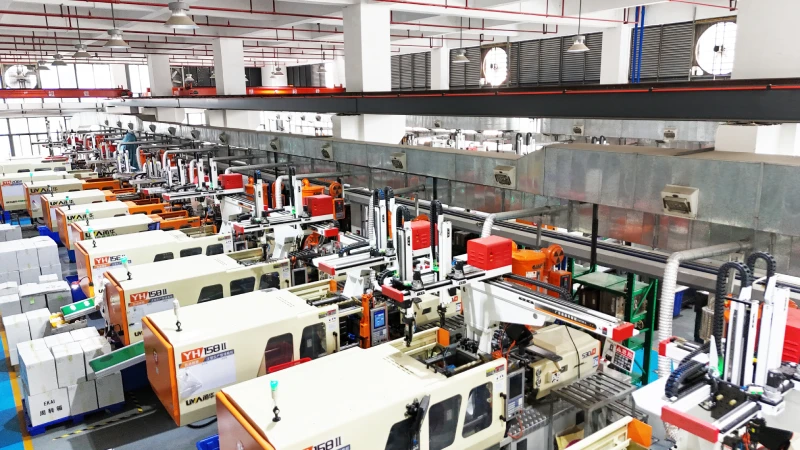
ODM typically involves deeper design participation from the manufacturing partner, especially when the project requires a distinctive appearance, structural changes, or a new product concept.
In practical terms, OEM is often suitable for brands seeking a clear and efficient route to market. ODM may be more appropriate when product differentiation and long-term development are central to the brand strategy.
Neither model is automatically better. The right choice depends on business priorities, available resources, technical requirements, and market expectations.
Early-Stage Brands: Start with a Practical OEM Solution
A new brand does not always need a completely original product design.
During the early stages, the priority is often to understand customer demand, establish a clear brand identity, and create a reliable product offering.
An OEM or private-label solution can help businesses:
- Introduce branded products without starting development from the beginning.
- Customize packaging and visual presentation.
- Select suitable device models and accessories.
- Maintain a manageable product development process.
- Build an initial product range around existing manufacturing experience.
Byall supports early-stage brands with customization options covering logos, product colors, manuals, packaging, and product combinations.
This allows businesses to concentrate on market positioning while working with a manufacturer that understands product development and quality management.
Growing Brands: Add More Meaningful Customization
As a brand develops, basic visual customization may no longer be enough.
Customer feedback, distributor requirements, and market competition can reveal opportunities to improve product functionality or create a more distinctive experience.
At this stage, a business may consider adjustments such as:
- Different operating settings.
- Alternative battery configurations.
- Charging options.
- Customized housing details.
- Accessory combinations.
- Packaging designed for specific distribution channels.
These projects may involve an expanded OEM arrangement, an ODM partnership, or a combination of both.
Byall offers customization across product appearance, functional configuration, structural development, and packaging. This gives growing brands more flexibility when adapting products to their market requirements.
Established Brands: Consider ODM for Product Differentiation
For established businesses, product development may become an important part of long-term brand positioning.
A customized design can help create a clearer identity, support specific customer expectations, and strengthen the connection between the device and the brand behind it.
An ODM project may be suitable when a company wants to:
- Develop a distinctive product appearance.
- Create a new housing or structural design.
- Introduce specific functional requirements.
- Build a more recognizable product family.
- Improve coordination between product design and brand presentation.
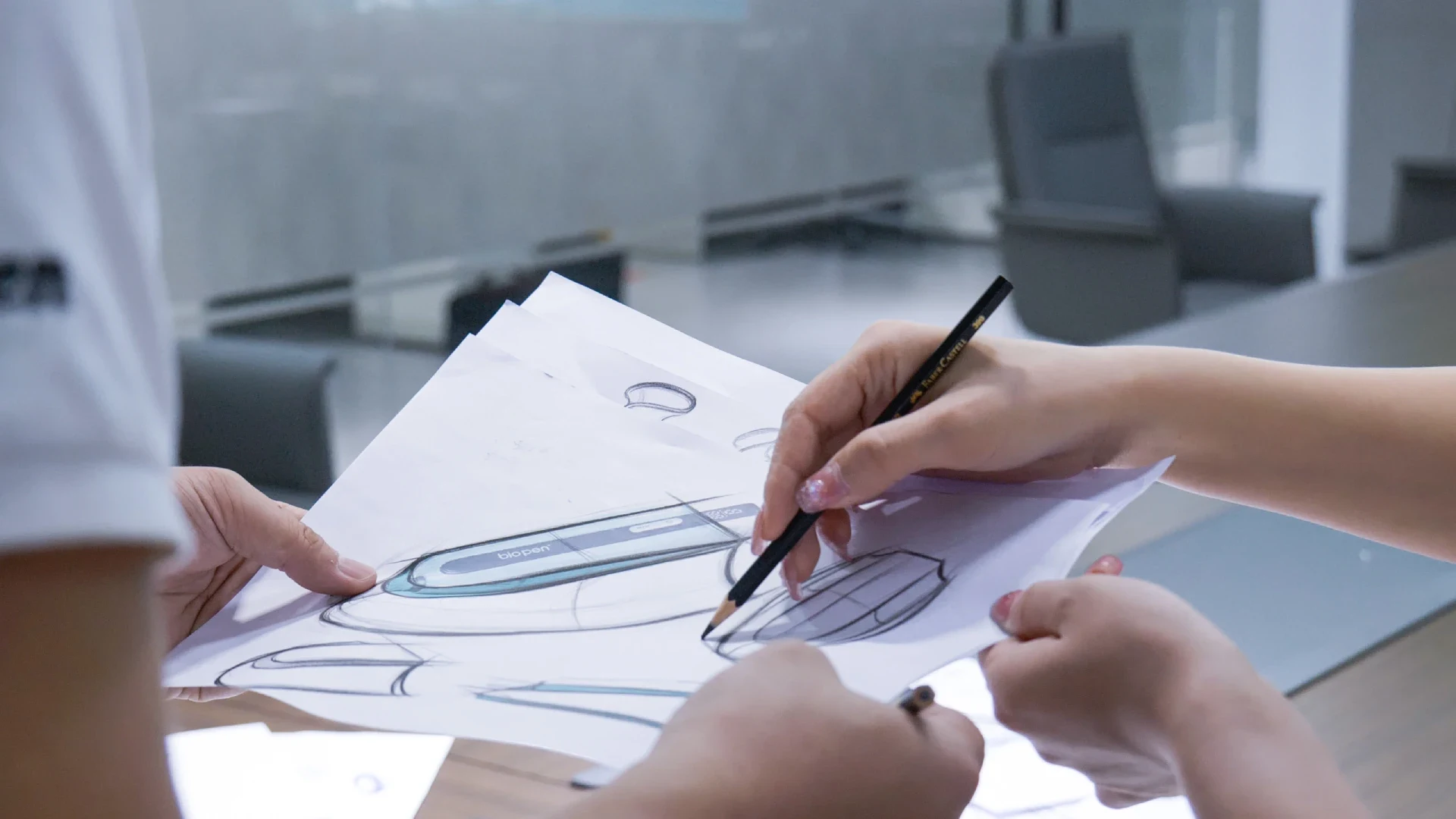
Byall supports development from initial concept and industrial design to structural engineering, prototype evaluation, and production planning.
Rather than treating customization as a visual exercise, the development process considers product usability, manufacturing feasibility, and quality consistency.
Quality Management Matters in Both OEM and ODM
Regardless of the manufacturing model, product quality should remain a central consideration.
A successful project depends on more than an approved sample. Brands also need confidence in component selection, production control, product inspection, and consistent manufacturing.
Byall manages production and inspection processes within an ISO 13485 quality management framework. Depending on the product and project requirements, quality control activities may include:
- Incoming material inspection.
- Electronic component and functional checks.
- Motor performance evaluation.
- Battery-related testing.
- Product appearance inspection.
- Final packaging verification.
These procedures support a more structured manufacturing process and help brands evaluate product quality beyond appearance alone.
Certification scope, applicable documents, and product-specific requirements should be confirmed for each project and destination market.
Compliance Should Match the Intended Market
Microneedling devices may be subject to different requirements depending on their intended use, product classification, labeling, and destination market.
For this reason, a product that is suitable for one region may require different documentation or commercial positioning in another.
Brands should discuss relevant requirements before confirming product specifications, packaging information, or promotional claims.
Byall works with partners to review product positioning, customization needs, and target market considerations during the project planning stage.
Businesses should also seek appropriate regulatory guidance when necessary. Product documentation or quality management certification should not be presented as automatic approval for every product or market.
A Clear Development Process Supports Better Decisions
Whether a brand chooses OEM or ODM, a well-organized process helps reduce uncertainty and improve communication.
A typical project may include:
- Reviewing product positioning and customization requirements.
- Confirming the target market and intended product scope.
- Developing the product design or selecting an existing platform.
- Preparing and evaluating a prototype or sample.
- Confirming product functions, appearance, and packaging.
- Organizing production and quality inspections.
- Preparing documentation, packaging, and shipment arrangements.
Byall connects engineering, production, quality control, and project coordination throughout this process.
This integrated approach allows brands to move from an initial idea to a practical manufacturing solution with clearer expectations at each stage.
Choosing the Right Model for Your Brand
The choice between OEM and ODM should reflect where your business stands today and where you want it to go.
For brands entering the market, OEM and private labeling can provide a practical starting point.
For growing businesses, broader customization can strengthen product positioning and respond to changing customer needs.
For established brands, ODM can support deeper product development and stronger visual or functional differentiation.
Byall offers flexible manufacturing support across these stages, combining private-label services, engineering development, quality management, and scalable production.
If you are evaluating a microneedling device project, contact Byall to discuss your product concept, target market, customization requirements, and preferred manufacturing approach.
Disclaimer: This article provides general information about manufacturing models and product development. It does not constitute medical advice, clinical guidance, or market-specific regulatory advice. Product classification, intended use, labeling, certification scope, intellectual property arrangements, and market access requirements should be assessed for each individual project.
 info@drpenfactory.com