
Global Compliance Framework for Microneedling Devices: What Beauty Brands Should Know
Launching a microneedling device under your own brand is about much more than product design or packaging. As beauty technology continues to expand globally, regulatory compliance has become one of the key factors influencing successful market entry.
Many beauty brands focus on product features, pricing, and marketing. However, experienced companies understand that compliance should be considered from the very beginning of product development. A well-prepared compliance strategy not only reduces business risks but also supports long-term brand growth.
Compliance Starts with Product Classification
One of the first questions regulators ask is simple:
What is the intended use of the product?
The answer determines how the product may be regulated.
For example, a microneedling device promoted for improving skin appearance may be treated differently from one claiming to reduce wrinkles, treat acne scars, or stimulate collagen production. Even if two products look identical, different marketing claims can result in completely different regulatory requirements.
For this reason, beauty brands should review both product specifications and promotional materials before entering any market.
Different Markets Have Different Requirements
Unlike consumer electronics, microneedling devices do not follow a single global standard. Every major market has its own regulatory framework.
United States
In the United States, many powered microneedling devices are regulated as medical devices, depending on their intended use and product claims.
Manufacturers and brand owners should ensure that technical documentation, quality management systems, and regulatory submissions meet applicable FDA requirements before products are introduced to the market.
European Union
The European Union regulates medical devices under the Medical Device Regulation (EU MDR).
Manufacturers generally need to prepare technical documentation, risk management files, clinical evaluation, and post-market surveillance plans. Compared with previous regulations, MDR places greater emphasis on continuous product lifecycle management.
United Kingdom
The UK now operates its own regulatory framework after Brexit. Although many principles remain similar to those in the EU, manufacturers should verify that products satisfy current UK requirements before market entry.
Other International Markets
Countries such as Canada, Australia, and many Asian regions have their own regulatory systems.
Although the procedures vary, regulators commonly focus on:
- Product safety
- Risk classification
- Quality management
- Technical documentation
- Product traceability
- Post-market monitoring
As a result, manufacturers with internationally recognized quality systems are generally better prepared to support multiple markets.
Compliance Is More Than a Certificate
When evaluating suppliers, many buyers begin by asking:
“Do you have CE certification?”
While certificates are important, experienced brands usually look further.
Useful questions include:
- Does the certificate apply to this specific product?
- Is it valid for the target market?
- Can OEM customers legally use the supporting documentation?
- Are the product claims consistent with the certification?
- Is there a structured quality management system behind the certificate?
In many cases, the answers to these questions provide a better picture of a supplier’s long-term capabilities than the certificate itself.
OEM Projects Require Shared Responsibility
Some companies assume that compliance is entirely the manufacturer’s responsibility.
In reality, successful OEM projects involve cooperation between both parties.
Manufacturers are typically responsible for product design control, production quality, testing, and documentation. Brand owners, on the other hand, are often responsible for labeling, marketing claims, local registration, and customer communication.
Close collaboration helps reduce compliance risks throughout the product lifecycle.
Documentation Matters
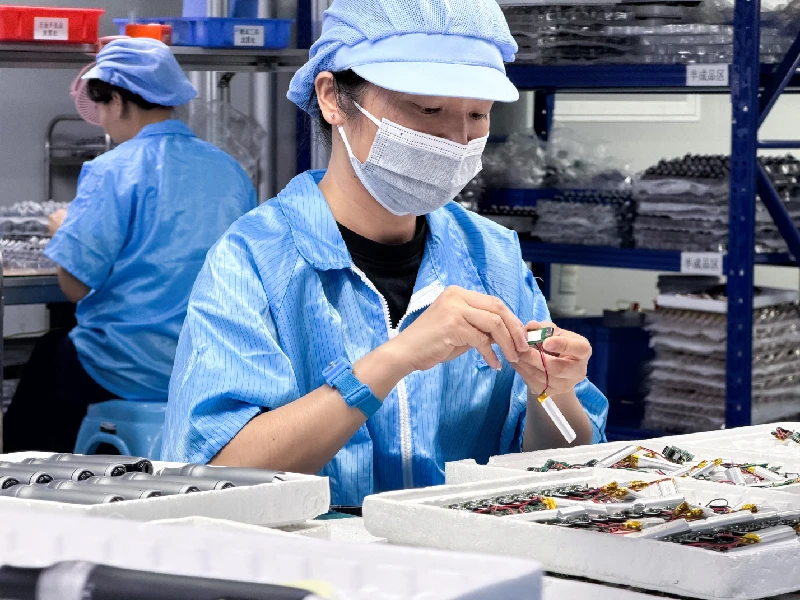
Professional manufacturers usually prepare a comprehensive documentation package to support customer projects.
Depending on the market, this may include:
- Product specifications
- Risk management documents
- Test reports
- Biocompatibility information (where applicable)
- Sterilization documentation (where applicable)
- User manuals
- Labeling files
- Quality management records
- Change control records
These documents not only support regulatory submissions but also simplify customer audits and future product updates.
Why Quality Management Is Increasingly Important
Many international buyers now evaluate manufacturers beyond production capacity alone.
A structured quality management system demonstrates that manufacturing processes are controlled, documented, and continuously improved.
For example, manufacturers operating under ISO 13485 typically establish procedures covering document control, supplier management, design control, product traceability, risk management, corrective actions, and continuous improvement.
Although ISO 13485 itself is not a market approval, it reflects a manufacturer’s ability to maintain consistent production quality and support regulatory compliance over time.
Choosing the Right Manufacturing Partner
As global regulations continue to evolve, selecting a manufacturing partner is becoming a strategic decision rather than simply a purchasing decision.
When evaluating potential suppliers, beauty brands may consider questions such as:
- Does the manufacturer have experience supporting international markets?
- Are technical documents available when required?
- Is product traceability established throughout production?
- Can the supplier support OEM or private label projects?
- Is there a mature quality management system in place?
- Can the supplier provide consistent manufacturing over the long term?
The answers often reveal whether a supplier is prepared to support sustainable business growth.
What Experienced OEM Manufacturers Can Contribute
For many beauty brands, selecting an OEM partner is no longer based only on manufacturing cost. As international regulations become more comprehensive, manufacturers are expected to provide support throughout the entire product development process.
An experienced manufacturer can often assist with areas such as product documentation, manufacturing consistency, quality management, packaging compliance, and production traceability. These capabilities become especially valuable when brands plan to expand into multiple international markets.
While regulatory approval always depends on local authorities and market-specific requirements, working with a manufacturer that follows standardized production processes can help brands prepare more efficiently for customer audits, distributor evaluations, and regulatory submissions.
At Byall, quality management is integrated into every stage of manufacturing, from incoming material inspection and production control to final product verification. The company operates under an ISO 13485 quality management system and supports OEM and private label projects for customers across different international markets.
Rather than focusing only on manufacturing output, Byall emphasizes process consistency, documentation management, supplier control, and product traceability. These practices help ensure that every production batch follows the same quality standards, which is particularly important for brands seeking long-term supply stability.
In addition to manufacturing, Byall works closely with customers during product customization projects, including appearance design, functional configuration, packaging development, and production planning. This collaborative approach allows brands to develop products that align with both market expectations and manufacturing requirements.
Although every country has its own regulatory framework, manufacturers with established quality systems are generally better positioned to support customers as compliance expectations continue to evolve.
Looking Beyond Manufacturing
For brands planning long-term expansion, a manufacturing partner should offer more than production capacity.
Increasingly, brands value suppliers that understand international compliance expectations, maintain stable quality systems, and provide reliable technical support throughout product development and commercialization.
As an established microneedling device manufacturer, Byall has built its manufacturing processes around internationally recognized quality management principles. By supporting OEM and private label projects for customers in multiple global markets, the company works to provide consistent manufacturing, documented production processes, and technical support that help brands prepare for their own compliance and market-entry activities. While each market has its own regulatory requirements, working with a manufacturer that emphasizes quality systems and standardized production can make the process more efficient.
Final Thoughts
Compliance is no longer simply a regulatory requirement—it has become an important part of building a successful beauty brand.
Certificates remain valuable, but they represent only one piece of the overall picture. Product consistency, manufacturing quality, technical documentation, traceability, and ongoing quality management are equally important.
For beauty brands planning to enter international markets, understanding regulatory expectations early and choosing a manufacturing partner with a strong quality foundation can reduce risks and support long-term business development.
Planning Your Next OEM Project?
Choosing a manufacturing partner is an important decision for any beauty brand. Beyond product quality, factors such as regulatory awareness, production consistency, documentation support, and long-term manufacturing capability can have a significant impact on business growth.
If you are evaluating OEM or private label opportunities for microneedling devices, our team is available to discuss your project requirements, manufacturing options, and quality management processes. Whether you are launching a new product or expanding into additional markets, we aim to provide practical manufacturing support backed by standardized production systems and international OEM experience.
 info@drpenfactory.com